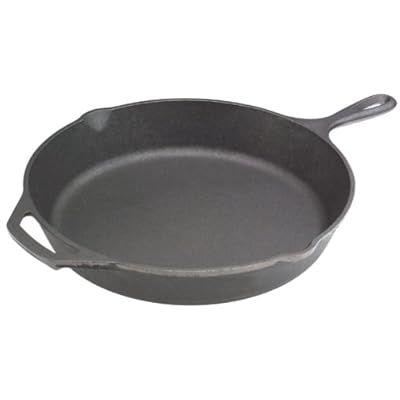
The term pan frying a steak isn't necessarily using lots of oil to fry a steak such as how you would fry some french fries. It's just the way people say it when using a frying pan. Confused yet? Simply put, it's using a pan to cook your steak.
Whoa! Now why would I want to use a pan instead of firing up my grill and getting a steak properly done? Well, not everyone has a BBQ grill and not everyone may have the time to get it going. Also, it's super quick and easy to start enjoying that steak when you get a sudden urge to get carnivorous.
In an earlier post, I recommended getting an cast iron pan for Dad. The benefits again is the heat that can be generated and retained from using that pan. It's perfect for searing steaks and getting a nice crispy crust on the outside of the steak, yet still retain the medium to medium rare center.
Some pans have raised or beveled lines which gives a bonus of seared lines as if you grilled it on a rack. See the picture above for reference. It's all personal preference as the trade off is sometime getting the pan clean of the left over bits of meat and fat that's stuck between the beveled lines clean. Personally for me, I'm fine with just a flat surface pan.
I'm going to make this as if I'm starving and want a quick steak done. So, it's just a matter of grabbing spices and herbs that's commonly found in people's cupboard or spice racks. Opening that cut of steak packaged in the styrofoam tray that you picked up from the grocery store on the way home and throwing it in the pan. Let's start:
- Heat up the pan, if the pan isn't smoking yet, but you think it's pretty hot, wet your hands and flick off some water and notice how fast the water evaporates. Simple and safe way in my opinion.
- Pour some oil, about 2-3 tablespoons is fine for a 1 pound steak. Maybe a little more if you have high beveled searing ridges in your pan. You can pour directly into the pan, just make sure all the water you flicked on the pan has evaporated. Water and hot oil DON'T MIX WELL. Or if you lack coordination, take the pan away from the fire and pour the oil. Let it heat up. Depending on the type of oil you use, you can tell it's ready when you notice a little smoke. Personally for me, I like using grape seed oil or extra virgin oil. You can even use canola if you want. Why use oil even on a well seasoned non-stick pan? It's to help create a nice crispy flavorful crust.
- Take the steak out of the wrapped and styrofoam tray that you bought from the store. Pat dry with a papertowel. Salt and pepper on both sides, and into the hot pan it goes. Careful, as the liquid from the meat and oil from the pan may boil and splatter a little hot oil at you.
- You can check the underside of the steak after just a few minutes. It should be brown and caramelized color. Oh yes, that's lots of flavor right there! Go ahead and flip it, and let sear for a few more minutes. Searing is what is giving that nice color and flavor. The reason I'm not giving you actual minutes is because every pan will have different temperature range, so go with your gut instincts on it.
- At this point you can grab some additional spices and herbs and just sprinkle it on top of the steak while still in the pan. Since we are making a quick steak, I like grabbing some lemon pepper seasoning and just sprinkle it on top of the steak about 1 or 2 minutes before pulling the steak off the pan.
- How do you know it's ready if you want a medium rare steak? NEVER CUT THE STEAK TO CHECK! You can simply push on top of the steak and it should give a spongy feel. The firmer the spongy feel is the more cooked it is, which is perfect for those that like medium to well done steaks. Well done should be firm with no spongy feel. I always take the steak out right before it's how I want it, because the meat will continue to cook after you turn off the flame. Some people like leaving it in the pan to continue cooking. Personally, for me I take it off and directly on to my plate or the cutting board. If you are unsure when to take it off the heat, you should error on the side of undercooked, because you can always heat it again if it's just a little too bloody for you.
- Enjoy your steak!
The summarized version:
- heat pan, check pan temps
- add oil
- salt and pepper meat
- add meat to pan, flip when underside is browned
- add additional herbs and spices
- check the wellness of the steak
- devour!
Feel free to share the steps, I just ask that you keep the linkback to http://itsfordad.blogspot.com